✅ 1) 📦 Getting Started With Trezor.io/Start — Your Official Setup Path
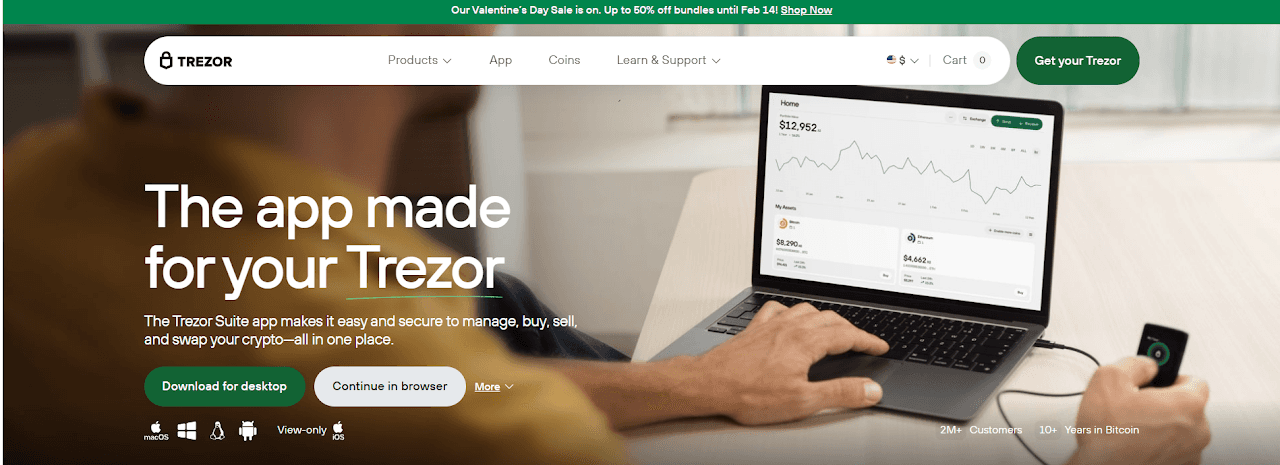
When you unbox your Trezor hardware wallet, the first thing you should do is head to Trezor.io/Start. This is the official starting point for setting up your device correctly, safely, and confidently. In the crypto world, one mistake during setup can lead to permanent asset loss, so taking the time to begin from a verified and trusted source is essential. Think of Trezor.io/Start as your home base — the one place that provides instructions, software downloads, and critical security advice directly from Trezor.
🧰 What You Need Before Starting
Before you visit the start page, gather a few simple items:
Your Trezor device (Model One or Model T)
USB cable
Computer or laptop with a secure internet connection
Pen and paper to write down your recovery seed
You don’t need technical knowledge or crypto experience. What matters most is preparation and attention.
🔐 Security Mindset Starts Here
The purpose of a hardware wallet is simple: keep your private keys offline and protected. When you generate a wallet through Trezor, your device creates a recovery seed — a series of words that represent all access to your cryptocurrency. Anyone who gains access to that seed can take your funds. That’s why Trezor emphasizes setup through Trezor.io/Start only. There is no app store installation, no random download links, no untrusted sources.
🖥️ What Happens on Trezor.io/Start
The first step on the website is to download Trezor Suite, the official software used for managing your assets. It works smoothly on macOS, Windows, and Linux. The interface guides you step-by-step:
Connect your device
Install firmware
Create a new wallet
Generate your seed
Set a PIN
Begin managing crypto safely
Everything is built for clarity and confidence.
📝 The Critical Importance of the Recovery Seed
Once you choose “Create new wallet,” your Trezor device displays 12, 18, or 24 words. These are unique to your wallet. Write them down by hand. Do not:
Photograph them
Copy them into a document
Save them to cloud storage
Send them to yourself
This seed never leaves the device digitally — it is only displayed on the hardware screen. That is intentional. Keeping it offline protects you against online attacks, malware, and phishing.
🧱 Building a Layered Defense
After recording your seed, create a secure PIN. This protects the device in case someone physically gets hold of it. You can also enable an optional passphrase. This creates a hidden wallet only accessible through that passphrase — a powerful layer of extra protection, especially for large holdings.